Build Sustainable Eating Habits

We provide educational guidance on keto-style routines and intermittent fasting approaches. Learn how to structure your daily eating habits with confidence.

Learn More About Routines

Healthy lifestyle routine

What We Do

We are lifestyle nutrition consultants who help people understand different eating patterns. Our approach is educational, focusing on habit formation and routine building rather than quick fixes or promises.
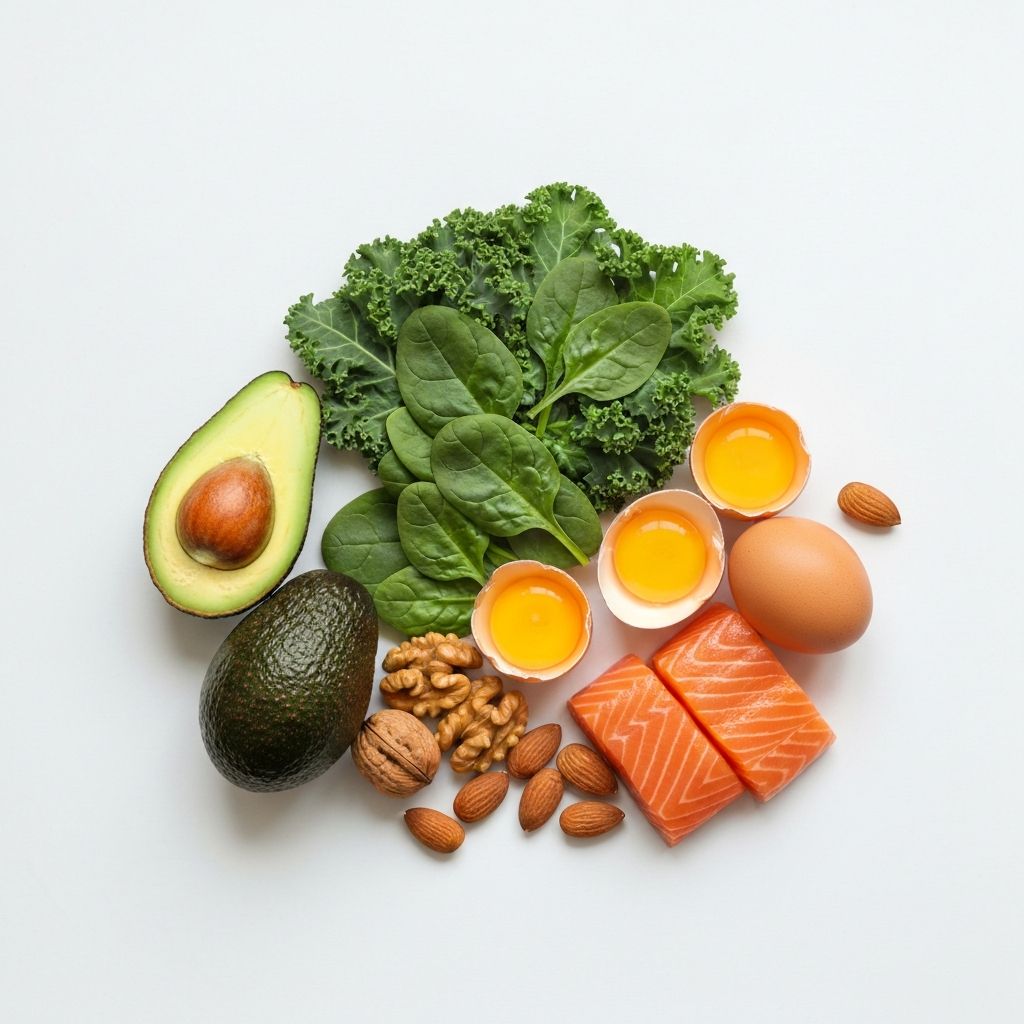
What is a Keto-Style Eating Routine?

Keto-friendly foods

A keto-style eating routine emphasizes foods that are naturally lower in carbohydrates and higher in healthy fats. People who follow this pattern typically focus on:

  • Leafy green vegetables and low-carb produce
  • Quality protein sources like fish, eggs, and poultry
  • Healthy fats from avocados, nuts, and oils
  • Limiting grains, sugars, and starchy foods

This is a general information overview. Individual needs vary, and we encourage everyone to make informed personal choices.
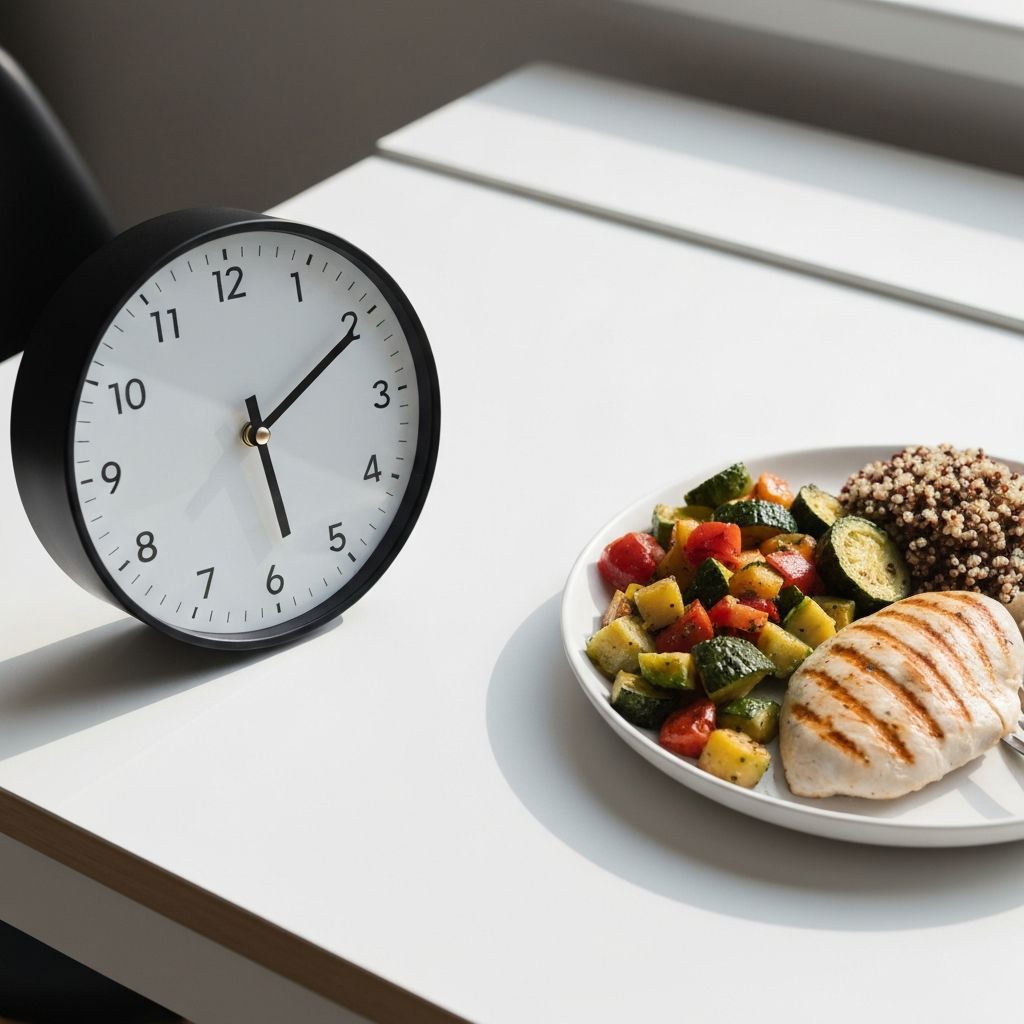
What is Intermittent Fasting?

Daily eating schedule

Intermittent fasting is a pattern of structuring when you eat during the day. Rather than focusing on what to eat, it emphasizes timing windows for meals.

Some people choose to:

  • Eat within specific time windows each day
  • Skip breakfast or dinner occasionally
  • Plan meals around their daily schedule
  • Stay hydrated throughout the day

This approach is about building consistency with your eating routine, not about restriction or deprivation.
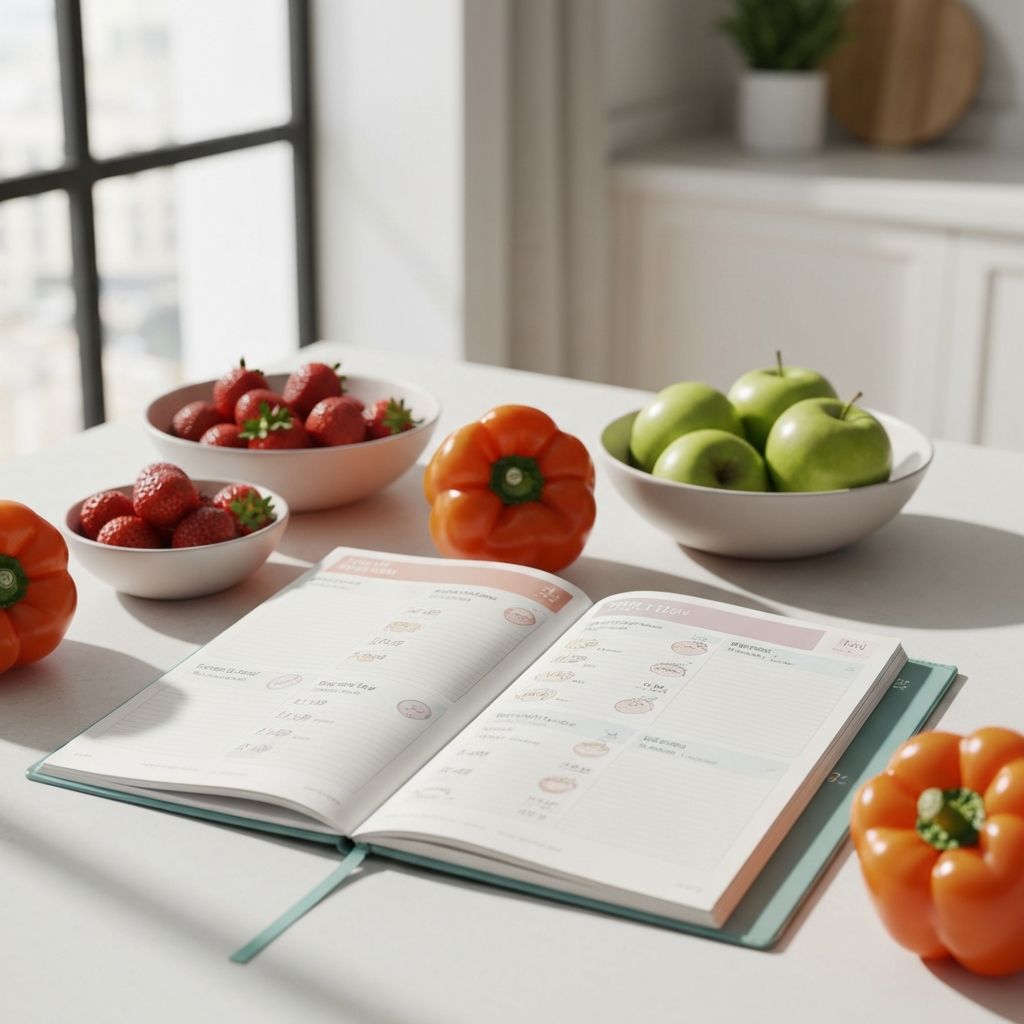
Common Routine Formats

Daily routine planning

People structure their eating windows in various ways. Here are some examples:

16/8 Pattern

Eating within an 8-hour window, with 16 hours between. Many people eat between noon and 8 PM.

14/10 Pattern

A 10-hour eating window with 14 hours between meals. Often 9 AM to 7 PM.

Flexible Approach

Adjusting windows based on lifestyle, travel, or social events while maintaining consistency.

Note: These are examples of how some people structure their routines. There is no single approach that works for everyone.
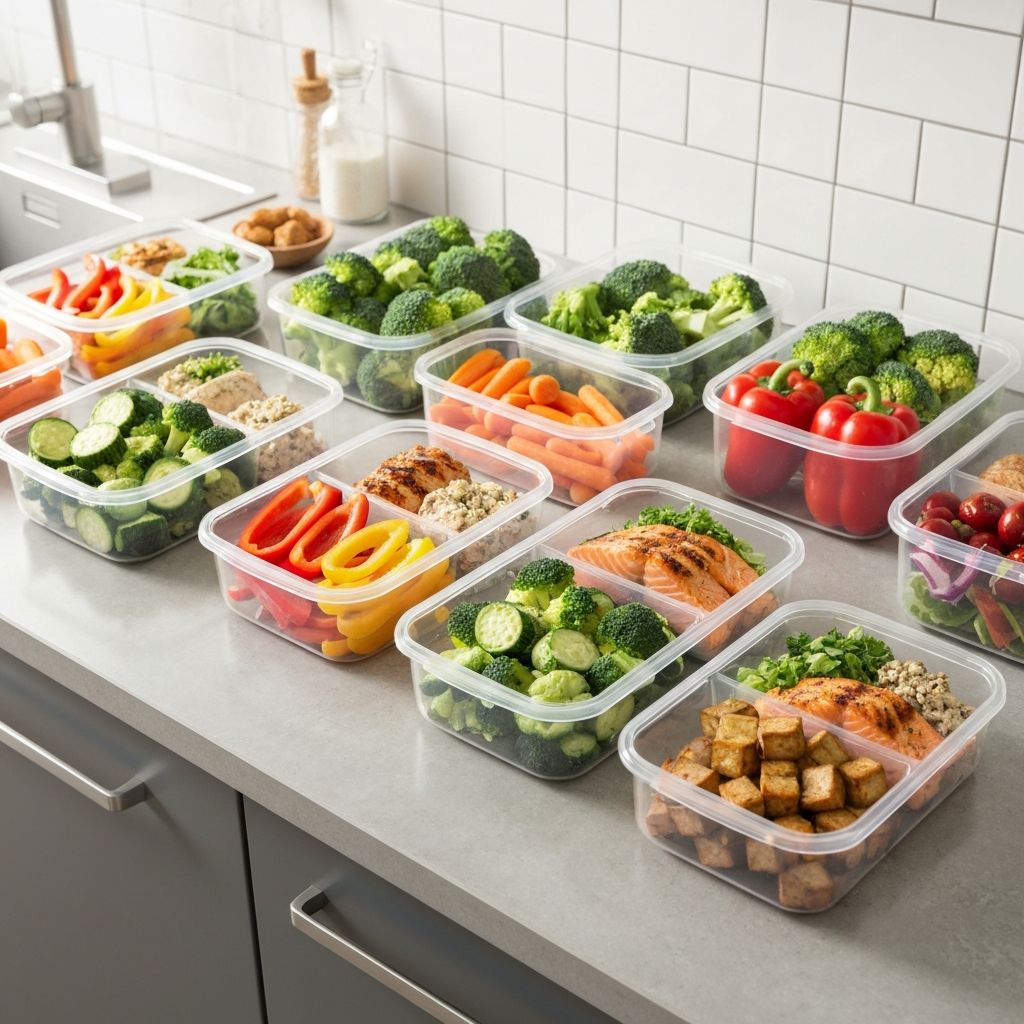
Meal Planning Basics

Meal planning and preparation

Successful routine building often starts with practical planning:

Shopping Tips
  • Make a list before going to the store
  • Focus on whole, unprocessed foods
  • Read labels to understand ingredients
  • Buy vegetables and proteins in bulk
Preparation Ideas
  • Batch cook proteins at the start of the week
  • Prep vegetables for easy meal assembly
  • Keep simple ingredients on hand
  • Plan for leftovers to save time
Hydration: Staying well-hydrated is an important part of any daily routine. Water, herbal tea, and other non-caloric beverages help maintain consistency.

Supporting Your Habits

Healthy lifestyle habits

Eating routines work best when supported by other daily habits:

Sleep Consistency

Regular sleep schedules help maintain stable daily rhythms and make routine-building easier.

Daily Movement

Walking, stretching, or other activities that fit your lifestyle complement eating patterns.

Routine Consistency

Building habits takes time. Small, sustainable changes often lead to lasting patterns.

Who This Approach May Be For

People exploring lifestyle changes

People explore keto-style eating and intermittent fasting for various personal reasons:

  • Those interested in learning about different eating patterns
  • Individuals looking to build more structured daily routines
  • People who prefer fewer, larger meals over frequent snacking
  • Those seeking educational resources about nutrition approaches

Important: These approaches are not suitable for everyone. We provide general information only. Anyone considering changes to their eating habits should make informed personal decisions and consult with qualified professionals when appropriate.

Safety & Responsibility

Important Considerations
  • The information we provide is educational and general in nature
  • We do not offer advice for specific health situations
  • Individual needs vary greatly, and personal circumstances differ
  • Listen to your body and make choices that feel right for you
  • Certain groups should avoid fasting patterns (pregnant women, children, etc.)
  • Stay well-hydrated and ensure adequate nutrition
  • Seek guidance from qualified professionals for personalized recommendations

Our role is to educate and inform, not to replace professional guidance. Please see our Health Disclaimer for more information.

What People Say

"The educational resources helped me understand how to structure my meals differently. I appreciated the clear, straightforward information."

Andi, Jakarta

"I liked that the guidance focused on building habits rather than making promises. The meal planning tips were very practical."

Siti, Surabaya

Frequently Asked Questions

Many people begin with a shorter fasting window, like 12 hours, and gradually extend it as they become comfortable. Starting with consistent meal times can help establish a rhythm.
Water, black coffee, and unsweetened tea are typically consumed during fasting windows. Staying hydrated is important throughout the day.
Focus on vegetables, quality proteins, healthy fats, and whole foods. Minimize processed foods, sugars, and refined grains. Individual food choices depend on personal preferences and needs.
Flexibility is key when traveling. Some people adjust their eating windows temporarily, while others maintain structure. Planning ahead and staying hydrated helps maintain consistency.
Routines are meant to support your lifestyle, not restrict it. If you need to adjust or take a break, simply return to your pattern when it works for you. Consistency over time matters more than perfection.

Ready to Learn More?

Request a consultation to discuss how we can support your journey toward building sustainable eating habits.

Request a Consultation